

HISTORICAL REFUGEES FROM THE TROJAN WAR
Joshua | Samuel | Amos | Zephania | Jeremiah | Ezekiel
WARNING: Hemorrhoids, attempted murder, human disfigurement
CONTEXT: ~ 1175 – 800 BCE During these historical centuries, the Philistines (Sea Peoples or proto Greeks) occupied the coasts of Palestine while the Hebrews/Israelites occupied the uplands to the east, including Jerusalem. The relentless biblical vilification of the Philistines has more to do with real estate disputes as worshiping the wrong god.
Today’s Fun Bible Story is about the much-maligned people known as the “Philistines” (or Peleset) an ancient people who occupied the Mediterranean coast beginning about 1100 BCE. They play a major role in events described in Hebrew Bible accounts from Genesis through Jeremiah. To this day, the generic term philistine is used to describe barbarians or lack of culture, when this is the opposite of the historical truth. Throughout the Hebrew scriptures and especially in the Books of Moses, any ethnic peoples who were not the Hebrews or proto-Israelites were scorned and denigrated as idolaters and savages. But ultimately, the discussion was about who owned the land.
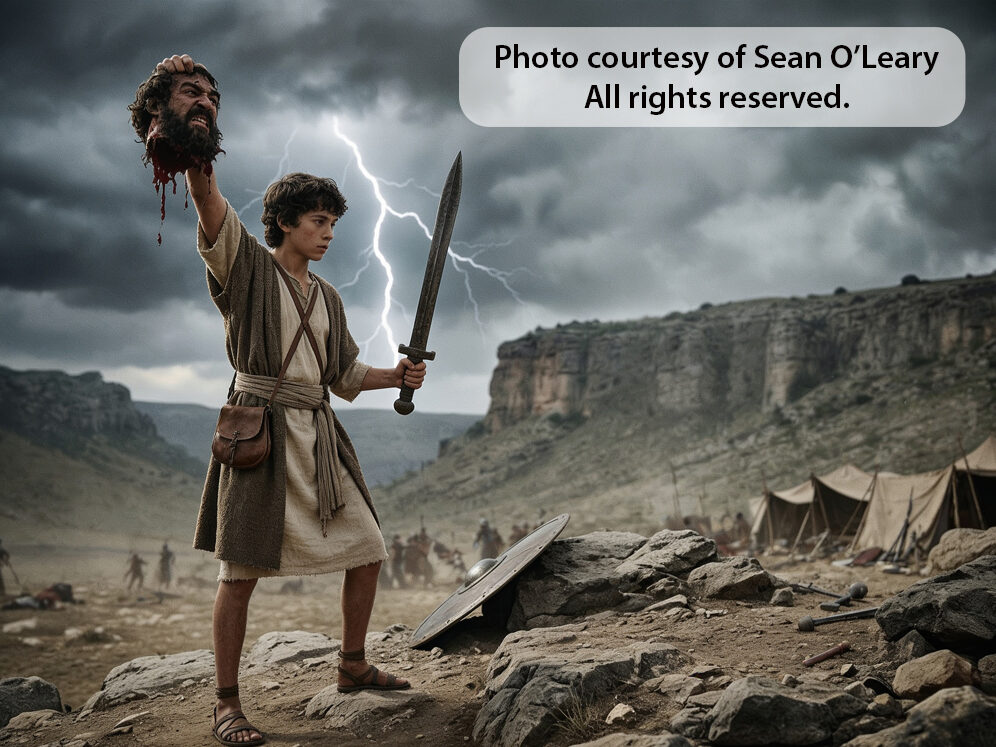
History: Most Christians know this people primarily as enemies of the Israelites, especially as depicted in the fairy tales of Samson and Delilah or David and Goliath. In the books of Judges, Samuel and Amos, YHWH’s people are constantly at war with the evil Philistines, worshipers of Dagon and other pagan gods. However, unlike most of the Israelite’s other enemies, the Philistines were not Canaanite, nor were they Arabic. The historical facts are quite a bit more complex, and resonate to the present day.
Historically and archeologically speaking the Philistines were known as the Sea Peoples. They have been identified as proto Greeks: sailors and warriors who migrated from the Aegean to the Levantine coast shortly after the Trojan War ended in about 1200 BCE. This movement was likely part of a massive disruption of civilization known as the Late Bronze Age Collapse.2 The LBAC is coincidentally dated shortly after the Exodus event would have taken place (if it had actually taken place). Although not historically true, the Exodus tradition reflects some portion of a group memory of the traumatic events that convulsed the region as an anthropological bridge to the Early Iron Age.
The Hebrews/Israelites were an emerging Canaanite tribal confederation which occupied the hill country around Jerusalem beginning around 1200 BCE. The culturally more advanced Philistines were settled on the coast by Pharaoh Ramesses III, concentrated in five major trading cities: Gath, Ashdod, Ashkelon, Ekron, and Gaza.3 In general, Philistia was both more urban and urbane than the Hebrew hill country societies.4 Hence the ongoing conflict. However, as time passed, the Philistines and Canaanite/Israelites also integrated their cultures, intermarried (see Samson) and exchanged gods.
In addition to the better known biblical Philistine tales, consider these: In Genesis, after pimping his wife Sarah to Pharaoh, Abraham turns around and lends her to a Philistine king named Abimelech for his harem. The fact that the Philistines would not show up in the region for almost a thousand years in no way diminishes the bible lesson: if you lend your wife to a king, he will give you presents.
Also overlooked on purpose is the fact that David – warlord cum King of Israel – led a bunch of merry men comprised of Philistines while he was on the lam from King Saul. The sketchy hero Samson himself hung out with Philistines, whence he sources the evil but apparently nicely put together Delilah.
In 720 BCE the Assyrians defeated and deported the population of Philistia, along with the ten confederated tribes of the Northern Kingdom of Israel. All of these peoples disappear from history at that point, if not from conspiracy theory.
Fun Philistine Facts
The term Palestine is derived from the word Philistine.
When the Philistines captured the Ark of the Covenant in 1 Samuel, YHWH punished them by afflicting them with hemorrhoids, which caused them to quickly return the holy box back filled with gifts.
“And it was so, that, after they had carried it about, the hand of the Lord was against the city with a very great destruction: and he smote the men of the city, both small and great, and they had emerods in their secret parts.” – 1 Samuel 5:9 [KJV]
The Ark was supposed to contain the tablets of the Law and other items, so it isn’t clear how much room there would have been for gifts.

And it was so, that, after they had carried it about, the hand of the Lord was against the city with a very great destruction: and he smote the men of the city, both small and great, and they had emerods1 in their secret parts.” – 1 Samuel 5:9 [KJV]
NOTES:
- In other words, hemorroids.
- The Late Bronze Age Collapse (LBAC) was a cataclysmic period of cultural disruption in the eastern Mediterranean during the 12th century BCE. Although the causes are not completely understood, the abrupt paradigm shift saw the end of several powerful civilizations and mass movement of peoples including the Peleset / Philistines. There is what amounts to a throwaway comment in Ex. 13:17–18 explaining why the Lord routed the escaped slaves into the Sinai wasteland instead of the direct route right up “the Way of the Sea” into Canaan. God claimed he didn’t want them to have to face the Philistines, but there were no Philistines in the area yet. This vignette is simply more evidence that this material was written and compiled much later than the biblical timeline setting. The chosen people ended up fighting a huge battle with the Amalekites instead.
- This is the same Gaza that would be the site of horrific events in the 21st century.
- The Israelites did not migrate Canaan from bondage in Egypt, but were already a Canaanite group indigenous to the region.
.