TOPOGRAPHY ALONE MAKES THE BOOK OF EXODUS RED SEA CROSSING IMPOSSIBLE
Genesis > Exodus 14 > Leviticus
WARNING: Floating Egyptian corpses
CONTEXT: ~ 1250 BCE These events are set in the declining days of the Kingdom of Israel during a war among the Judeans, Israelites, Edomites1 and Moabites.2
Exodus 14
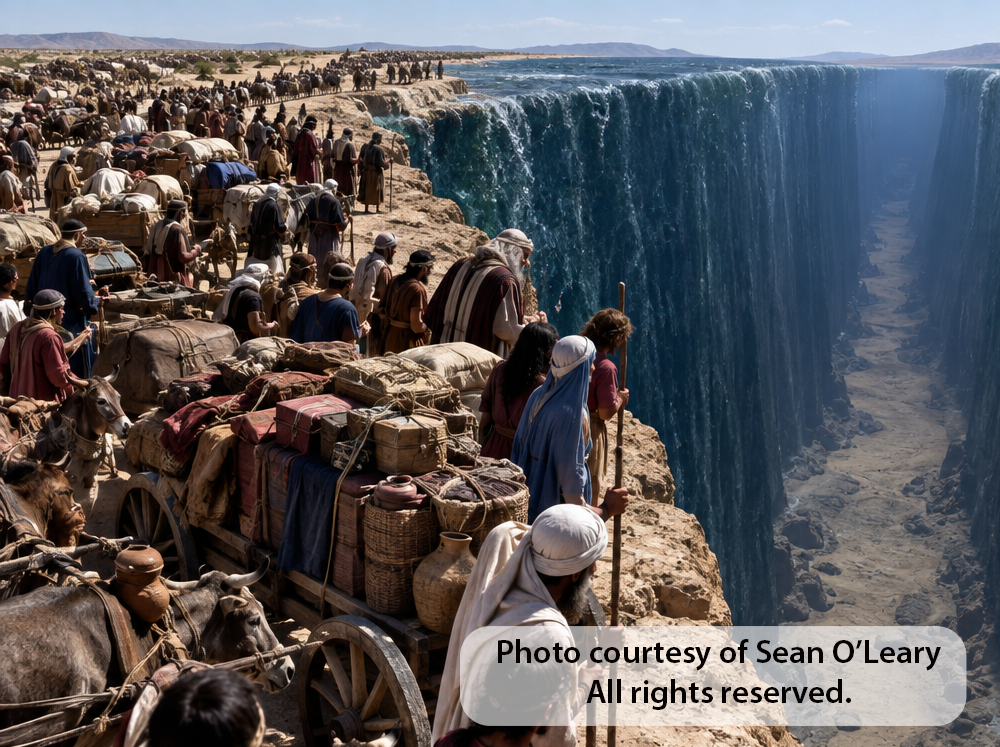
THE SUNDAY SCHOOL VERSION: In the traditional telling of the iconic Red Sea crossing saga, the Israelites are being pursued by Pharaoh after he notices they are gone.1 Moses parts the waters and the Israelites skeedaddle across to safety as God brings the waters down on the pursuing Egyptians.2
Even if you choose to believe this event happened, it may nevertheless by worthwhile to consider the geographic reality of the situation.
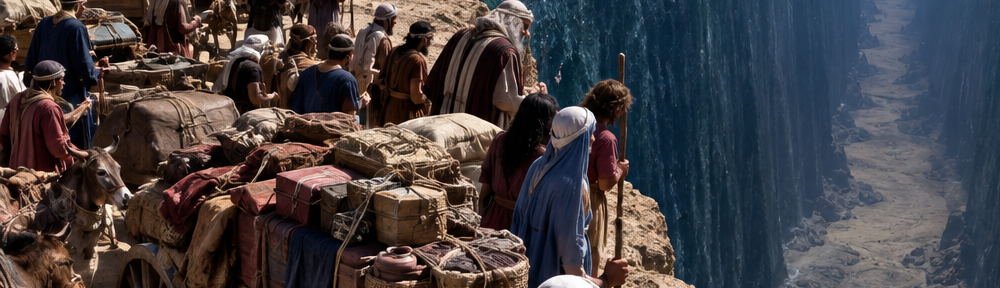
THE GULF OF SUEZ RIFT: The Red Sea is formed by a steep geological rift that divides Africa from Asia. The maximum depth of the is about 9,974 feet and the average depth is 1,600 feet. It averages 175 miles wide. The sides are extremely steep, impossible for anyone to descend, much less with a wagon or cart. Furthermore, the shores on both side of the rift are encroached by steep mountains – up to 2 miles high.
According to census statistics mentioned three times in the Torah, there were at least two million slaves and their families escaping on foot from Egypt. Walking three abreast, the procession would stretch for about 380 miles. However, with carts, and wagons and livestock the caravan would be more like 500 – 600 miles long.
If you add in the fact that Canaan is only about 200 miles from Egypt, there is a lot more to think about. Here’s one more fun bible fact: if the Israelites had simply traveled northeast out of Egypt, they could have avoided the Red Sea Crossing altogether and journeyed along a decent road.
It is rather well known that there was a translation error from Hebrew to Greek that rendered Yam Suph as Red Sea3 rather than Sea of Reeds. There is a lot to say on this topic, but here we’ll limit our comments to this: virtually every version of the Bible still reads “Red Sea.” Why?

When so called educational media such as the History Channel create a “documentary” examining how a “Red Sea Crossing” could have happened, it merely adds fuel to the belief system of those inclined to magical thinking. At Fun Bible Stories, we respect the religious and literary tradition of Exodus: as the History Channel says “the power of its message and imagery is undeniable.” But that doesn’t mean that the story is true. The Exodus adventure is no more believable as history than the voyages of Jason and the Argonauts.
NOTES:
-
You have to actually read the Bible to discover it took Pharaoh a while to notice a couple million of his slaves had left Egypt.
- In 1250 BCE, the Sinai Peninsula was under political and military control of Egypt. The slaves would have been escaping from Egypt to Egypt.
- EX. 13:8: “But God led the people about, through the way of the wilderness of the Red sea: and the children of Israel went up harnessed out of the land of Egypt.” [KJV]